seismic wire, often overlooked in the world of modern technology, plays a crucial role in our daily lives. This unassuming, yet powerful tool is used to detect and monitor seismic activity in the Earth’s crust. It is a vital component in earthquake early warning systems, building structural health monitoring, and oil and gas exploration. Let’s delve deeper into the world of seismic wire and its impact on society.
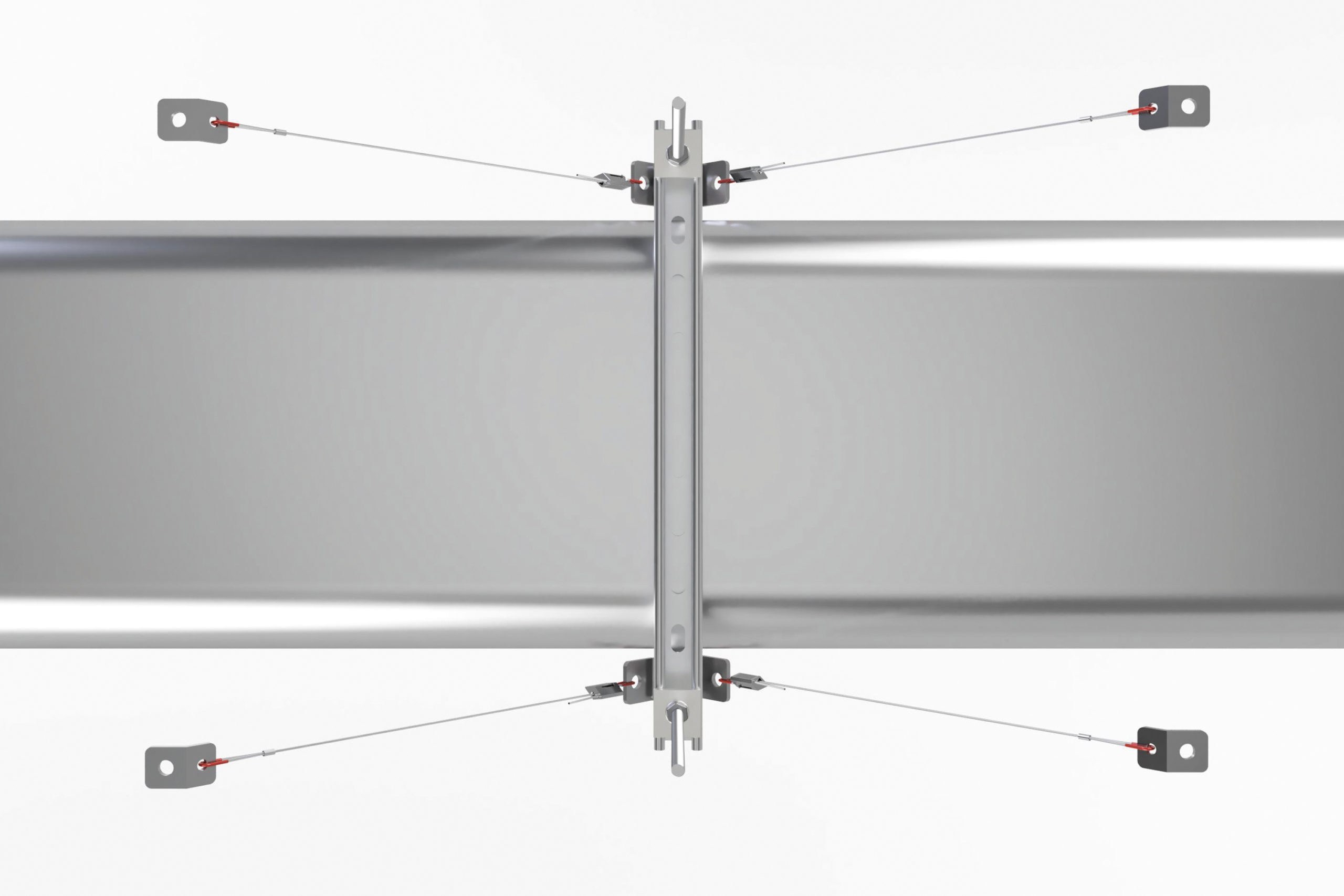
seismic wire is essentially a sensor-equipped cable that is laid beneath the surface of the Earth to detect vibrations caused by seismic activity. The sensors embedded in the wire are sensitive to movement and can pick up subtle changes in the ground, allowing scientists to monitor and analyze seismic events in real-time. This technology has revolutionized the way we understand and respond to earthquakes, providing valuable data that can save lives and prevent damage to infrastructure.
One of the key applications of seismic wire is in earthquake early warning systems. These systems use the data collected by the wire to detect the initial waves of an earthquake and send out alerts to people in affected areas. This allows residents to take cover or evacuate before the more destructive waves arrive, potentially saving countless lives. In regions prone to earthquakes, such as California and Japan, seismic wire has become an essential tool for disaster preparedness and response.
In addition to earthquake early warning systems, seismic wire is also used in building structural health monitoring. By installing sensors in the foundations of buildings and bridges, engineers can detect subtle changes in the structure caused by seismic activity. This data helps engineers assess the safety of buildings and infrastructure, leading to more effective design and construction practices. With the help of seismic wire, we can build safer and more resilient structures that can withstand the forces of nature.
Another important application of seismic wire is in oil and gas exploration. By laying seismic cables across the ocean floor or drilling them into the Earth’s crust, geologists can map the subsurface and locate potential oil and gas reserves. The sensors in the wire can detect the reflection of sound waves sent into the ground, providing detailed information about the geological formations below. This data is essential for companies in the energy sector to make informed decisions about where to drill and extract resources.
The development of seismic wire technology has opened up new possibilities for scientific research and innovation. Researchers are now able to monitor and study seismic activity on a global scale, gaining valuable insights into the Earth’s processes and behavior. This knowledge can help us better understand earthquakes, volcanic eruptions, and other natural disasters, ultimately leading to improved disaster preparedness and response strategies.
Furthermore, seismic wire has the potential to revolutionize the field of geoscience by providing new tools and techniques for studying the Earth’s crust. With advancements in sensor technology and data analysis, scientists can now create detailed models of seismic activity and its impact on the planet. This information can be used to predict and mitigate the effects of future earthquakes, improving our ability to protect lives and property.
In conclusion, seismic wire may be a humble tool, but its impact on society is profound. From earthquake early warning systems to building structural health monitoring, this technology plays a crucial role in ensuring our safety and well-being. As we continue to innovate and improve seismic wire technology, we will unlock new capabilities and insights that can help us better understand and respond to the forces of nature. It is clear that seismic wire is a powerful tool with limitless potential, and its importance in our world cannot be overstated.