suspended ducting, also known as overhead ducting, is a method of installing ductwork for heating, ventilation, and air conditioning (HVAC) systems where the ducts are suspended from the ceiling instead of being installed within the walls or floors. This innovative approach offers numerous benefits and advantages over traditional ducting methods, making it a popular choice for many commercial and industrial buildings. In this article, we will explore the benefits of suspended ducting and why it is a smart choice for HVAC systems.
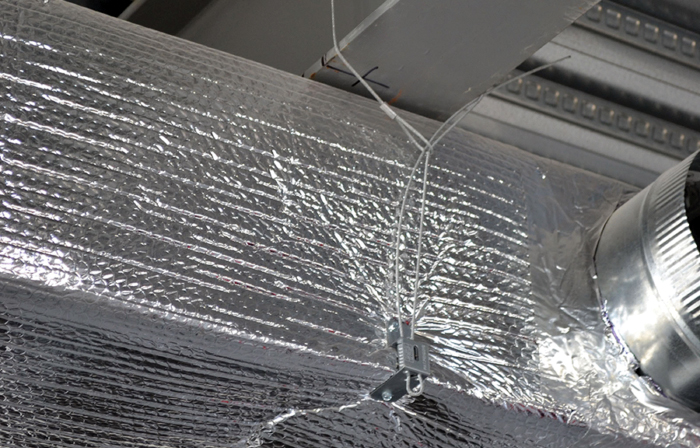
One of the main advantages of suspended ducting is its flexibility and versatility. By suspending the ductwork from the ceiling, HVAC technicians can easily adjust and modify the layout of the ducts to accommodate changes in the building’s layout or to optimize airflow and distribution. This flexibility makes it easier to customize the HVAC system to meet the specific needs of the building and its occupants.
Another benefit of suspended ducting is that it can help save space and improve the aesthetics of the building. Since the ductwork is installed overhead, there is no need to allocate valuable floor space for HVAC equipment and ducts. This can be particularly beneficial for buildings with limited floor space or that have specific aesthetic requirements. suspended ducting allows for a cleaner and more streamlined look, which can enhance the overall appearance of the building.
In addition to saving space and improving aesthetics, suspended ducting is also more cost-effective than traditional ducting methods. Because the ductwork is installed overhead, there is less need for extensive ductwork modifications or construction, which can help reduce installation costs. Additionally, maintaining and servicing suspended ductwork is easier and more efficient, resulting in lower maintenance costs over time.
suspended ducting is also more energy-efficient than traditional ducting methods. By suspending the ductwork from the ceiling, HVAC technicians can optimize the airflow and distribution of air throughout the building, improving the overall efficiency of the HVAC system. This can result in lower energy consumption and reduced operating costs for the building owner.
Furthermore, suspended ducting can improve indoor air quality by reducing the risk of contamination and air leaks. Because the ductwork is installed overhead, there is less chance of the ducts becoming clogged or contaminated with dust, debris, or other contaminants. This can help maintain cleaner and healthier indoor air quality for building occupants, reducing the risk of allergies, respiratory issues, and other health problems associated with poor indoor air quality.
Overall, suspended ducting offers numerous benefits and advantages for commercial and industrial buildings. From its flexibility and versatility to its cost-effectiveness and energy efficiency, suspended ducting is a smart choice for HVAC systems. By choosing suspended ducting, building owners can enjoy improved space utilization, enhanced aesthetics, lower operating costs, and better indoor air quality.
In conclusion, suspended ducting is a versatile and efficient method of installing ductwork for HVAC systems that offers numerous benefits and advantages over traditional ducting methods. By choosing suspended ducting, building owners can optimize the airflow and distribution of air throughout the building, save space, improve aesthetics, and enhance indoor air quality. With its flexibility, cost-effectiveness, and energy efficiency, suspended ducting is a smart choice for commercial and industrial buildings looking to improve the performance and efficiency of their HVAC systems.